
Conditions we assess · Halifax
What’s making movement harder for you?
You can book a physiotherapy assessment before you know the name of the problem. Tell us what has changed, whether that’s climbing stairs with a sore knee, walking after surgery or feeling steady on uneven ground.
New to the clinic? Choose an initial physiotherapy assessment.

Conditions and concerns we assess
Back & Neck Pain
Low back pain, upper back pain and neck pain can occur with facet joint dysfunction, nerve impingement, postural strain or jaw pain (temporomandibular dysfunction). A physiotherapy assessment can relate these concerns to the movements that have changed.
Shoulder, Elbow & Arm Conditions
A rotator cuff injury or frozen shoulder can make dressing and reaching overhead difficult. This group also includes golfer’s or tennis elbow, carpal tunnel, upper-limb tendinitis and thoracic outlet syndrome; see physiotherapy.
Hip, Knee & Leg Injuries
Hip or knee osteoarthritis, hip impingement, ligament sprains, muscle strains, fractures and tendinopathies can affect walking, stairs or sport. For hip or knee osteoarthritis, learn about GLA:D.
Foot & Ankle Pain
Plantar fasciitis, heel pain, ankle sprains and foot instability can change how each step feels or affect balance. Read about related bracing and orthotics.
Balance, Falls & Mobility Concerns
Past falls, unsteadiness, deconditioning, mobility limitations or walking difficulties can make familiar routes feel less certain. Fit for Life includes strength, balance and mobility assessments.
Post-Surgical Rehabilitation
Rehabilitation can support recovery after hip, knee or shoulder surgery, joint replacement or fracture repair. A physiotherapy assessment can focus on the movement goals that matter during recovery.
Sports & Overuse Injuries
Running injuries, repetitive strain and athletic recovery are included. Recreational and competitive athletes in pickleball, curling and golf can also work toward staying injury-free and improving performance through physiotherapy.
Headaches & Concussion Management
Cervicogenic and tension headaches, concussion rehabilitation and education are included. Physiotherapy can help you discuss a return to work, exercise or other activities after concussion.
Joint & Arthritis Care
Joint pain or stiffness can make stairs, walking or reaching harder. This group includes arthritis (OA, RA), bursitis, joint replacements and costochondritis; for hip or knee osteoarthritis, explore the GLA:D program.
Osteoporosis & Bone Health
Support can include bone-density care, fracture prevention, Bone-Fit™ and strength programs. Explore Fit for Life for related strength and mobility assessments.
Neurological & Chronic Conditions
Parkinson’s disease is a key area of care at Zoomers. Tell us how it affects your movement, daily routines and the activities you want to keep doing. We also work with people with multiple sclerosis, post-stroke recovery, chronic pain, complex neuro-musculoskeletal conditions and joint hypermobility syndrome. Your goals help shape your physiotherapy assessment and plan.
Wellness & Preventive Care
Active aging, posture improvement, fall prevention, mobility maintenance and exercise guidance can help you stay active. See Fit for Life for a starting point.
Choose a starting point that fits your concern
Start with what feels different
Think about when the concern began, which movements bring it on and what has become harder at home, work or sport. A first physiotherapy assessment can help you understand what to consider next.
You can ask before you know the cause
You do not need to arrive with a diagnosis. Your physiotherapist can listen, assess relevant movement and talk through practical next steps. If you prefer a brief conversation first, see the free 15-minute discovery visit.
Explore related local care
For hip or knee osteoarthritis, read about the GLA:D program. For strength, balance and active aging, see Fit for Life; for foot or ankle concerns, explore bracing and orthotics.
WHEN YOU BOOK A FIRST ASSESSMENT
Tell us what you would like to do more comfortably
Describe what you notice
Share when symptoms started, which activities bring them on and what you would like to return to. Bring relevant reports if you have them; you do not need to arrive with a diagnosis.
Learn what the assessment can cover
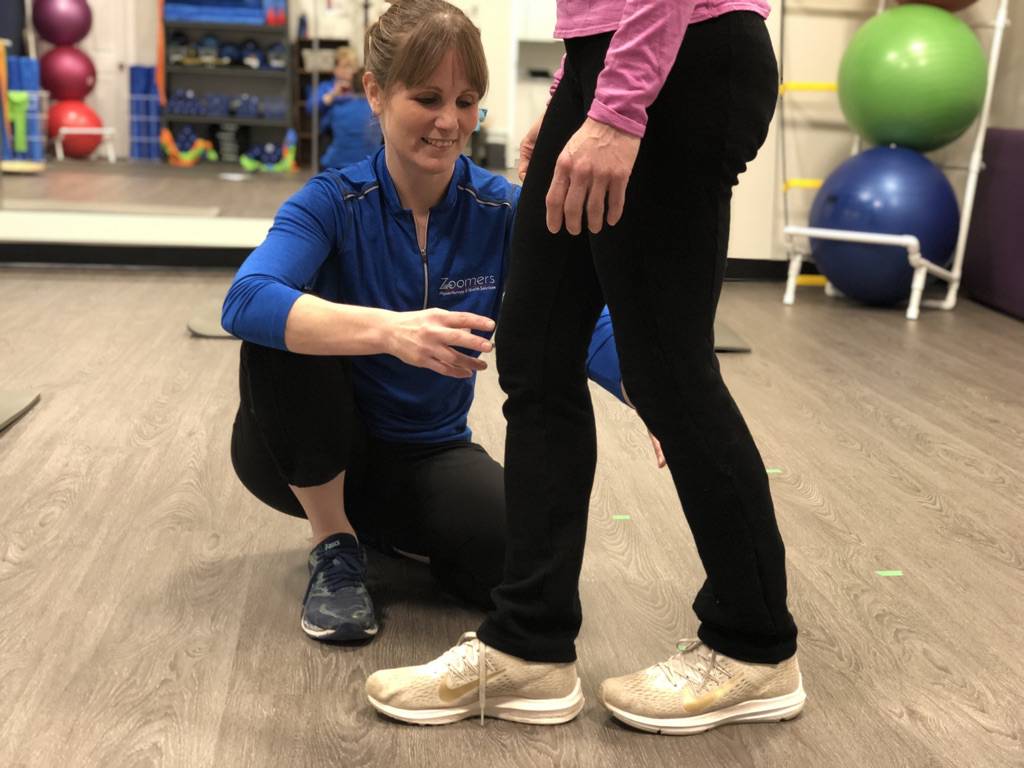
Your physiotherapist will ask about your health and goals, then assess relevant movement, strength, balance or function. You can discuss options and agree on practical next steps together.
Find the clinic
Your physiotherapist will see you at Zoomers in Bayers Lake. Find the address, directions and clinic hours before your visit.
Start with an assessment for your concern
Book an initial physiotherapy assessment. Tell your physiotherapist which movements or activities matter to you. If you have a question before booking, explore the free 15-minute discovery visit.